
Will My Homeowners Insurance Cover A Roof Leak Free Direct Access

So, you've got a leaky roof, huh? Welcome to the club, my friend. You're not alone in this soggy saga. But here's the million-dollar question: will your homeowners insurance cover the damage? Let's dive in, grab your rain boots, and find out!
First Things First: What's Your Policy Saying?
Before you start planning your dream roof replacement, it's time to dust off that homeowners insurance policy and give it a good read. I know, I know, it's about as exciting as watching paint dry, but stick with me, it's worth it!
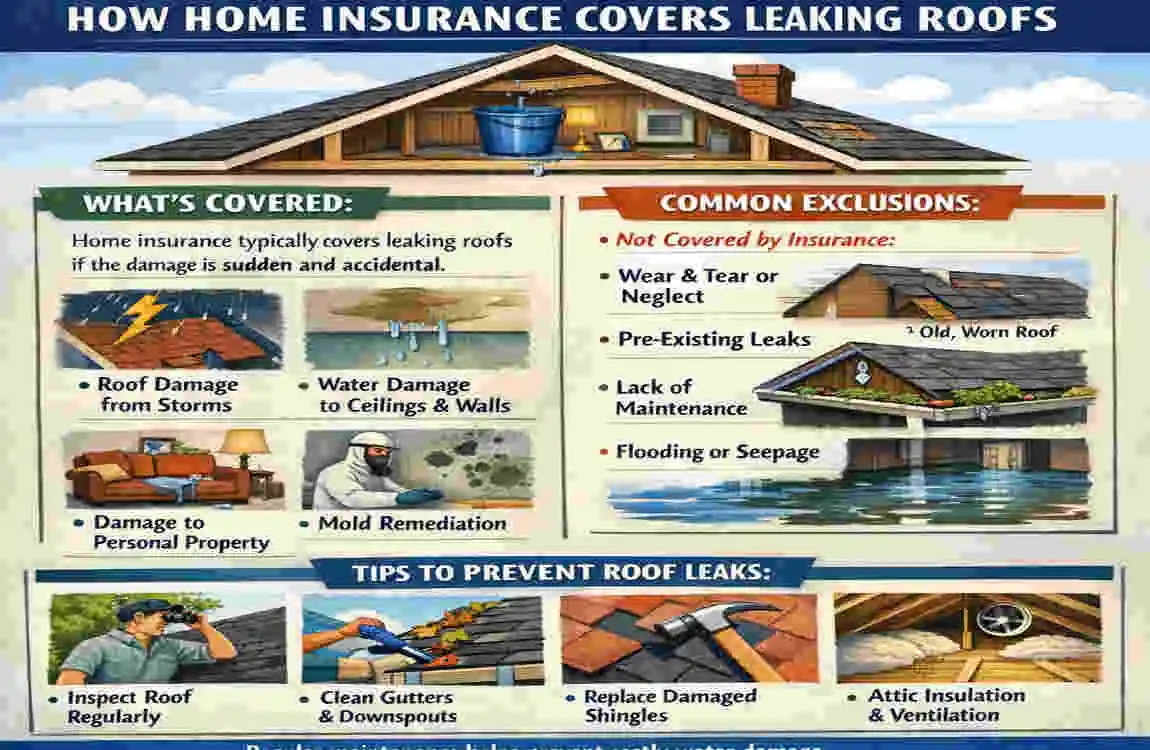
Most policies cover sudden and accidental water damage, but the key here is sudden. If your roof has been leaking for ages and you've just been dancing in the rain, you might be out of luck. It's all about preventative maintenance, folks!
Must Read
But What About Those Pesky Exclusions?
Now, don't go celebrating just yet. Insurance policies love their exclusions like a kid loves candy. So, what might they exclude when it comes to roof leaks?
Well, for starters, they might not cover damage caused by Gradual Deterioration. That's just a fancy way of saying your roof has been slowly falling apart over time. They also might exclude damage caused by Floods or Earthquakes, so make sure you've got those covered separately if you're in a high-risk area.
And here's a fun fact for you: some policies might even exclude damage caused by Mold or Mushrooms! I mean, who knew fungi could be such party poopers?
Now, Let's Talk About Deductibles
Alright, so you've checked your policy, and it looks like you're covered. But wait, what's that? A Deductible clause? Don't worry, it's not as scary as it sounds. It just means you've got to pay a certain amount out of pocket before your insurance kicks in.
Here's where it gets interesting: some policies have Separate Deductibles for certain events, like wind or hail. So, if your leak is caused by a gusty gale, you might have to pay a different amount than if it was caused by a gentle rain.
And get this: in some states, like Hurricane Alley, deductibles are calculated as a Percentage of your home's value, not a flat fee. So, if you've got a mansion, you might be in for a hefty out-of-pocket expense.
But What If It's Not My Fault?
Now, what if your leak isn't your fault? Maybe a tree fell on your roof, or a mischievous squirrel decided to use your attic as a personal playground. In these cases, you might be able to claim Negligence or Vandalism.

But here's the thing: you've got to prove it. So, start gathering evidence, folks. Take pictures, keep records, and don't forget to call your insurance company ASAP. The sooner you report it, the sooner they can start investigating and get you that sweet, sweet compensation.
So, Should You File a Claim?
Alright, so you've checked your policy, you've understood your deductibles, and you've decided to file a claim. But wait, should you?
Here's the deal: filing a claim can increase your premiums, especially if it's your first one. So, if your leak is small and you can fix it yourself, you might want to consider paying out of pocket.

But if the damage is extensive, or you're not sure how to fix it, then by all means, file that claim! Just make sure you've weighed the pros and cons first.
And Remember, Prevention is the Best Medicine
Now, here's a fun fact to leave you with: according to the National Association of Realtors, a new roof can increase your home's value by 15%. So, why not use this leaky roof fiasco as an excuse to upgrade?
And hey, while you're at it, why not take some preventative measures to stop future leaks? Regular inspections, proper ventilation, and keeping your gutters clean can all help keep your roof in tip-top shape.
So, there you have it, folks. Roof leaks might not be fun, but at least now you know what to do about them. Happy roofing!