
Telegram Channel How To Check If My Password Is Leaked

Password Prowler: How to Check If Your Password's Been Pinched
Ever had that nagging feeling that your password isn't as secure as it should be? Like when you're watching Mr. Robot and Elliot's hacking skills make you question your own digital security? Well, it's time to put those fears to bed, or at least check under the mattress.
Welcome to the World of Data Breaches
First things first, let's talk data breaches. They're not just something that happens to big corporations like Equifax or Yahoo. No, they're happening all the time, everywhere. In fact, according to Have I Been Pwned?, there have been over 7,000 data breaches since 2007, exposing over 10 billion records.
Now, before you start panicking and changing every password you've ever had (which, let's be real, is probably a bad idea), let's talk about how to check if your password has been compromised.
Must Read
Introducing Have I Been Pwned?
Enter Have I Been Pwned?, a website created by security expert Troy Hunt. It's like the Nanny McPhee of the digital world, here to keep your passwords in check. Here's how it works:
- You enter an email address or password (or both) into the website.
- The site checks if that email address or password has been involved in any data breaches.
- If it has, the site tells you which breaches it was involved in and what you should do next.
It's that simple. No, really. It's like checking your horoscope, but instead of finding out your love life is as complicated as a Game of Thrones plotline, you find out if your password is as secure as a chocolate egg in a hot bath.

But Wait, There's More!
Now, you might be thinking, "That's all well and good, but I don't want to enter my password into a website. What if they get hacked?" Well, fear not, because Have I Been Pwned? has a trick up its sleeve. Instead of sending your password to the site, you can send a hash of your password.
A hash, for those not in the know, is like a digital fingerprint. It's a unique string of characters that represents your password. Even if someone gets their hands on the hash, they can't reverse engineer it to find your original password. It's like trying to figure out what a person looks like from their shadow. It's possible, but it's not easy.
To create a hash, you'll need to use a tool like this online password hash generator. Once you've got your hash, you can enter it into Have I Been Pwned? and check if it's been compromised.
Prevention is Better Than Cure
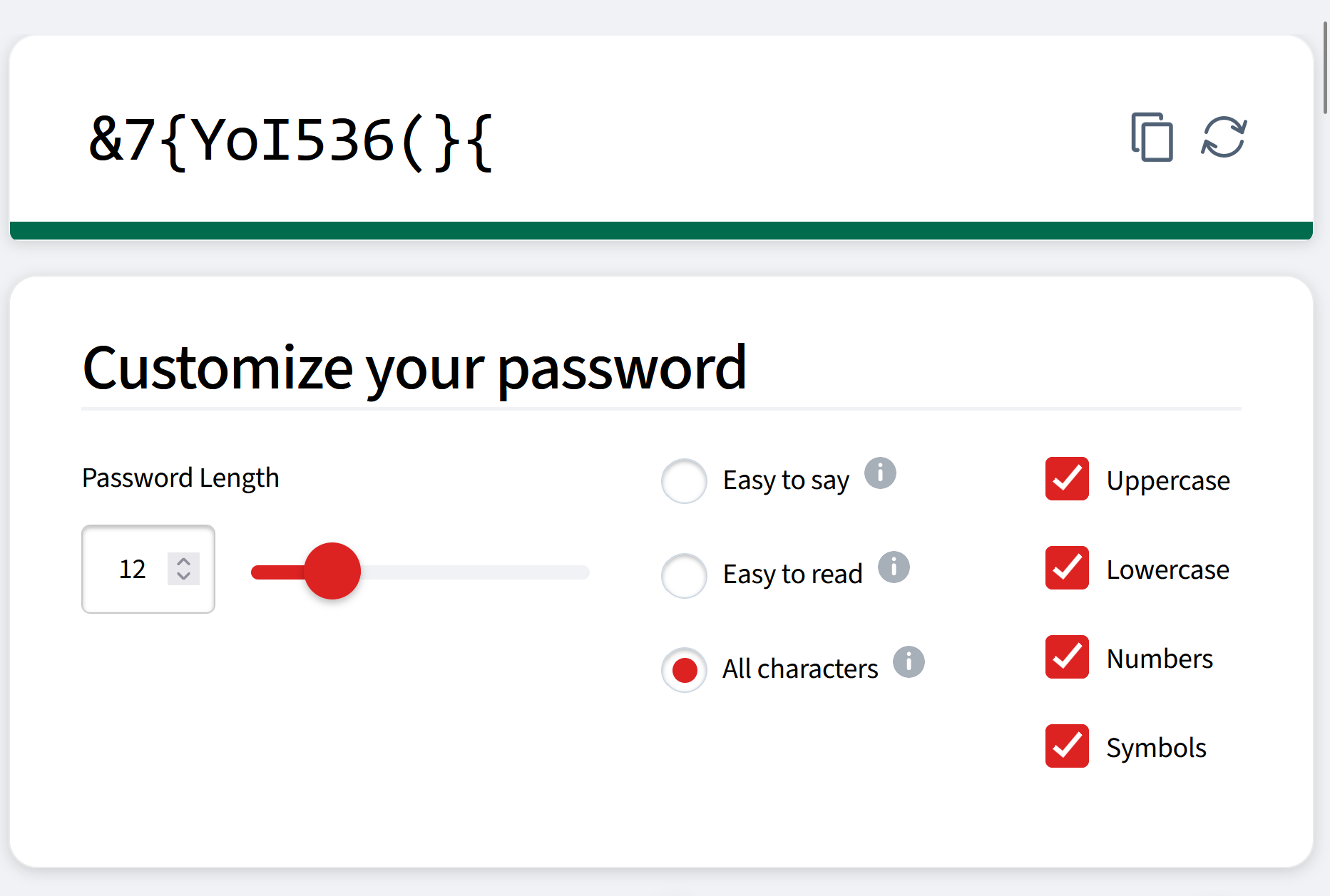
Now, while checking if your password has been compromised is a good start, it's not the be-all and end-all of digital security. Prevention is key here, folks. So, let's talk about how to create a strong password.
First up, length matters. The longer your password, the harder it is to crack. Aim for at least 12 characters, but the more the merrier. Next, mix it up. Use a combination of uppercase and lowercase letters, numbers, and symbols. And finally, avoid common words and phrases. No "password123" or "iloveyou" here, folks.
But let's be real, remembering a different, super strong password for every single website you use is about as easy as herding cats. So, consider using a password manager. These handy tools generate strong, unique passwords for you and store them in a secure vault. All you need to remember is one master password. Easy peasy, lemon squeezy.
Reflection: The Password Paradox
So, there you have it. Checking if your password has been compromised is as easy as a quick visit to Have I Been Pwned?. But remember, while digital security is important, it's not the be-all and end-all of life. Don't let the fear of a data breach stop you from living your life. Just be smart, be savvy, and remember that while passwords are important, they're not the only thing that matters.
After all, as the great Audrey Hepburn once said, "I believe that happy girls are the prettiest girls." So, go out there, be happy, and for goodness' sake, use a strong password.