
How To Check If Your Password Was Leaked Telegram Group Free

Password Panic? Let's Dive In, No Drama!
Ever had that 'oh no' moment when you're not sure if your password's been dancing around the dark web? You're not alone, friend. In our connected world, it's like a game of 'Whispers' - you tell one person your password, next thing you know, it's gone viral (in a bad way).
First Things First: What's a Data Breach?
A data breach is like a burglary, but instead of your house, it's your digital stuff that's been ransacked. Hackers break into a company's database and steal user information, including passwords. It's not pretty, but it happens.
Telegram's Got Your Back
Telegram, that nifty messaging app you use to chat with your squad, has a neat feature called 'Two-Step Verification'. It's like having a bouncer at your digital door. If you've enabled it, even if your password gets leaked, the hacker can't get in without that second verification.
Must Read
But what if you haven't enabled it? Or what if you want to check if your password's been leaked elsewhere? That's where our little adventure begins.
Introducing 'Have I Been Pwned?'
Imagine a detective agency, but for passwords. That's 'Have I Been Pwned?', a service created by security expert Troy Hunt. It's like a giant library of leaked passwords, waiting to tell you if yours is in there.

How to Check in 3 Simple Steps
Head over to the website (haveibeenpwned.com). It's as easy to navigate as your favorite streaming site.
In the search bar, type in your email address. Don't worry, it's secure. The site only checks if your email has been involved in a data breach, not what's in your inbox.
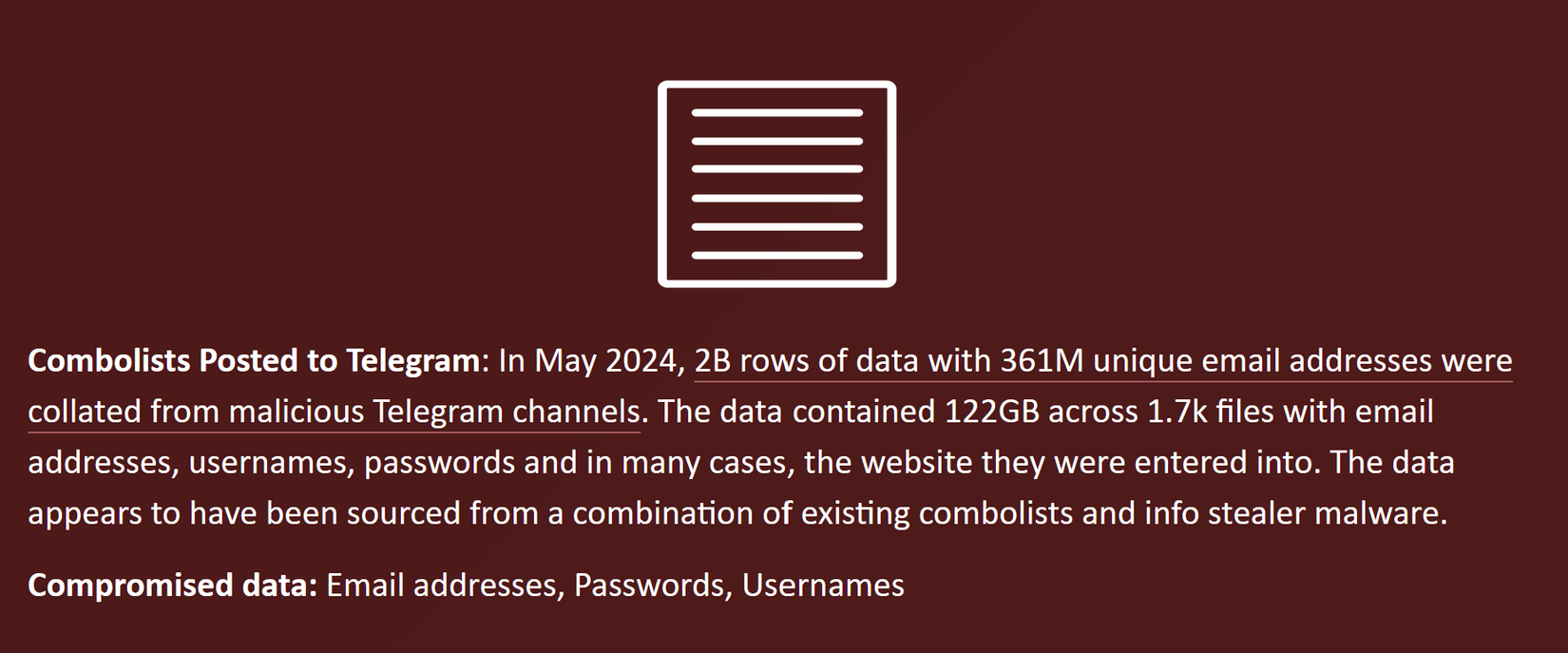
If You Notice Suspicious Account Activity, Your Password Was Probably Hit enter. If your email shows up in the results, it means it's been compromised. Don't panic! Just change your password immediately. If it's not there, give yourself a pat on the back and keep up the good work.
Passwords: The Long and the Short of It
Now, you might be thinking, 'What makes a good password?' Well, it's not just about length (sorry if you were hoping for a short answer). It's about complexity. A mix of uppercase and lowercase letters, numbers, and special characters is your best bet.
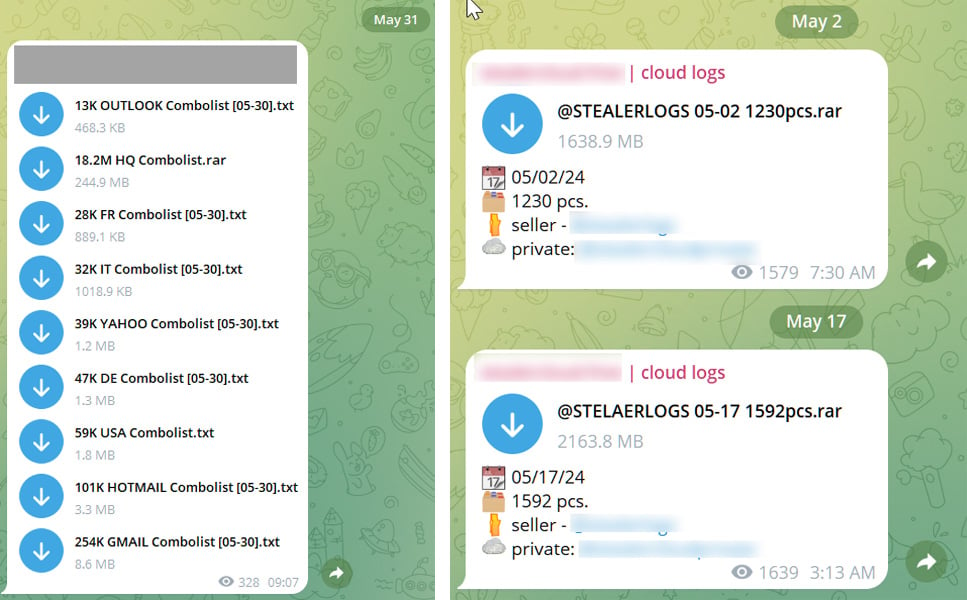
But who can remember all that? That's where password managers come in. They're like your personal password butler, remembering all those complex passwords for you. Some even generate strong passwords for you. It's like having a little security genius in your pocket.
Reflection: Security in Daily Life
In the end, it's all about being proactive. Checking if your password's been leaked is like checking your smoke alarm batteries. It's not fun, but it's necessary. And remember, it's not just about you. It's about protecting your digital life, your privacy, and your peace of mind.
So, go ahead, check if your password's been leaked. It's like a digital health check. And who knows, you might just sleep a little easier tonight.