How To Check If My Password Is Leaked Premium Unlocked
Alright, gather 'round, folks. Today, we're going to tackle a topic that's as important as it is fascinating: checking if your password has been leaked. Now, I know what you're thinking, "But I'm a unique snowflake with a totally original password!" Well, hold onto your hats, because we're about to dive into a world where even the most obscure passwords might not be as safe as you think.
Why You Should Care (Hint: It's Not Just About Your Pride)
Imagine this: you've been using the same password for your email, online banking, and that one weird niche forum you joined back in 2005. Suddenly, you hear whispers of a data breach. Your heart starts pounding like a drum solo at a heavy metal concert. "Could it be my password?" you wonder. Well, my friend, today's your lucky day because we're going to find out.
Now, before we dive in, let's address the elephant in the room. Yes, you should have unique passwords for every single one of your accounts. No, you shouldn't use "password123" or your dog's name. But we're not here to judge. We're here to help. So, grab your favorite snack (I'm partial to a good ol' cheese puff), and let's get started.
Must Read
Introducing the Password Checker: Your New Best Friend
Enter the password checker, a magical tool that can tell you if your password has been compromised. It's like having a secret agent in the digital world, whispering in your ear, "Sir, your password has been seen by more eyes than a celebrity on a red carpet."
There are plenty of these tools out there, but today, we're going to use Have I Been Pwned, a service created by security expert Troy Hunt. It's like the CIA of password checkers, with a database so vast, it makes the Library of Congress look like a corner bookstore.
How to Check Your Password (It's Easier Than You Think)
Alright, let's roll up our sleeves and get our hands dirty. Here's how you check if your password has been leaked:
Head on over to Have I Been Pwned.
Type in your password. Don't worry, the site is secure, and it only sends a hash (a fancy way of saying "scrambled version") of your password to their servers.

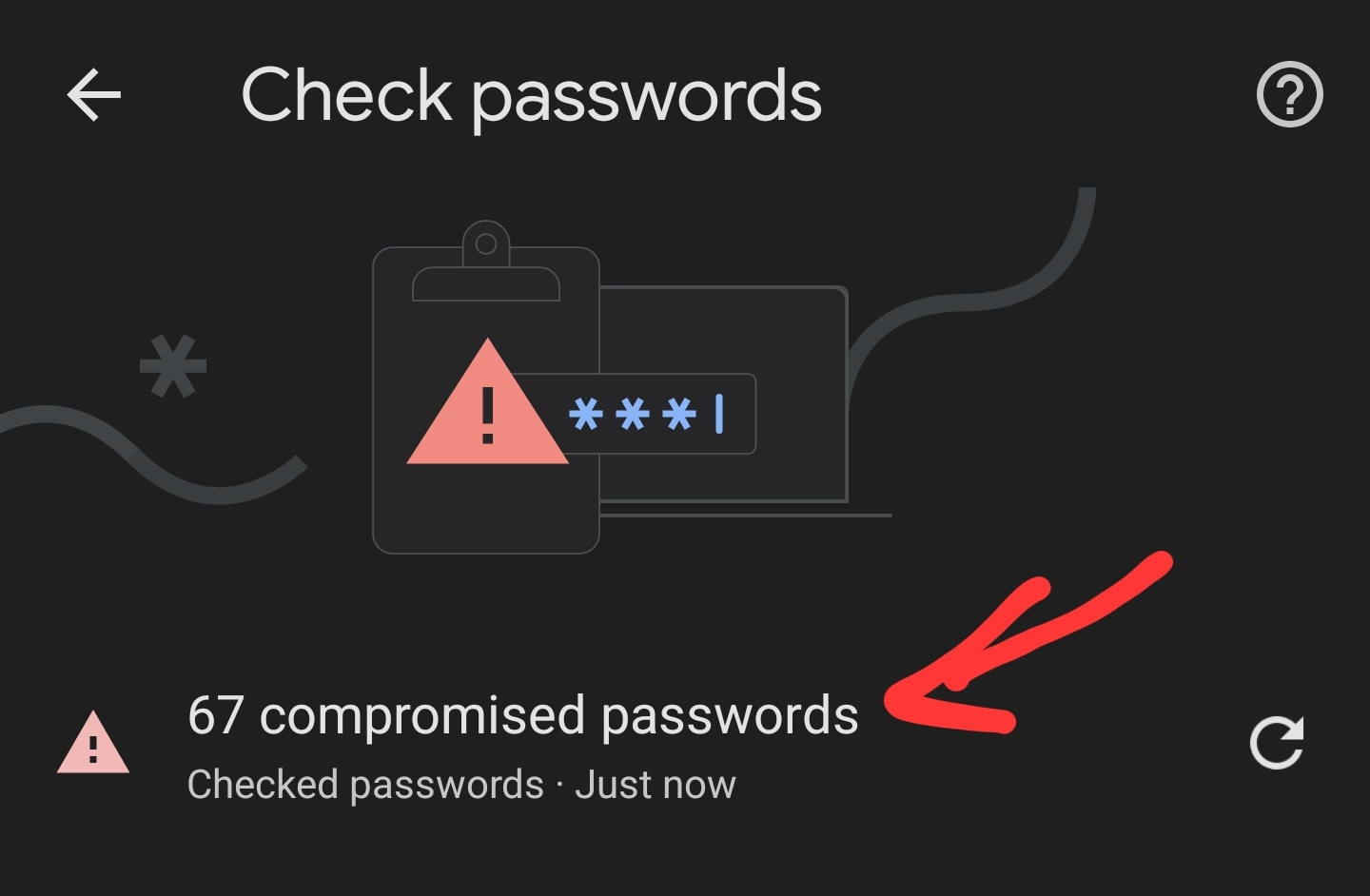
LeakCheck - Check Passwords & Detect Data Breaches | ASCOMP Hit enter. Now, hold onto your hats. If your password comes up clean, you'll see a big, fat "No pwnage found!" message. If it's been compromised, you'll see a list of data breaches where it was found. It's like a digital mugshot, but instead of a criminal, it's your password.
Surprised? Shocked? I wouldn't be. According to Troy Hunt, over 10 billion passwords have been compromised in data breaches. That's more than the number of people who have ever lived on Earth. Twice over. So, yeah, chances are, at least one of your passwords has been leaked.
What to Do When Your Password Has Been Compromised
Alright, so you've just found out that your password is as secure as a chocolate wrapper in a room full of toddlers. What now?
First things first, don't panic. It's not the end of the world. Yet. But you do need to act fast. Here's what you do:
Change your password immediately. And no, you can't just add a "1" to the end and call it a day. You need a new password. A strong one.

June 21 & 22, 2025 Show Notes If it's a password you've used elsewhere, change that one too. Remember our little chat about unique passwords? Yeah, now's the time to listen.
Consider using a password manager. They're like personal assistants for your passwords, generating strong, unique ones and storing them securely. It's like having a butler for your digital life.
Password Tips: Because Prevention is the Best Medicine
Now that we've got the scary stuff out of the way, let's talk about how to keep your passwords safe in the first place. Because, let's face it, checking if your password has been leaked is like checking if your house has been robbed. It's better to lock your doors in the first place, right?
Here are some password tips that are so good, they should be framed and hung on the wall of the Password Hall of Fame:
Use a mix of uppercase and lowercase letters, numbers, and symbols. Your password should look like a secret code, not a simple sentence.

How to Perform a Password Security Check in Microsoft Edge Make it long. The longer the password, the harder it is to crack. Aim for at least 12 characters.
Don't use personal information. No birthdays, no pet names, no favorite sports teams. Hackers know all the tricks, so don't make it easy for them.
Use two-factor authentication whenever possible. It's like having a bouncer at the door of your digital life, checking IDs and making sure only you get in.
And there you have it, folks. You're now equipped with the knowledge to check if your password has been leaked and keep it safe in the future. So, go forth, check your passwords, and remember: the digital world is a wild place, but with the right tools and a bit of common sense, you can navigate it safely.
Now, if you'll excuse me, I've got some password checking to do. And maybe a cheese puff or two. Stay safe out there!