
Exclusive Telegram Link How Do I Know If My Password Was Leaked

Password Puzzle: Did Mine Go MIA?
Ever felt like you've got a secret admirer, but it's not the sweet, romantic kind? You know, the one who's been snooping through your stuff without your permission? That's kinda what happens when your password gets leaked. But don't worry, we're here to help you figure out if your password's been outed, and why you should care.
First Things First: What's a Password Leak?
Imagine you've got a super-secret recipe for grandma's apple pie, written on a piece of paper. You keep it in your pocket, safe and sound. But one day, your pocket gets picked, and now everyone can see that secret recipe. That's basically what happens when a password leak occurs. A hacker gets hold of a bunch of passwords and user details from a website or service, and suddenly, those secrets aren't so secret anymore.
How Do I Know If My Password Was Leaked?
Alright, so you've got this exclusive Telegram link, and you're wondering if your password's been compromised. Here are a few ways to find out:
Must Read
1. Check the Source: If you've heard about a data breach on the news or seen a warning from the affected service, it's a good idea to check if your account was involved. Many companies will notify users if their data has been compromised, so keep an eye on your emails for any suspicious messages.
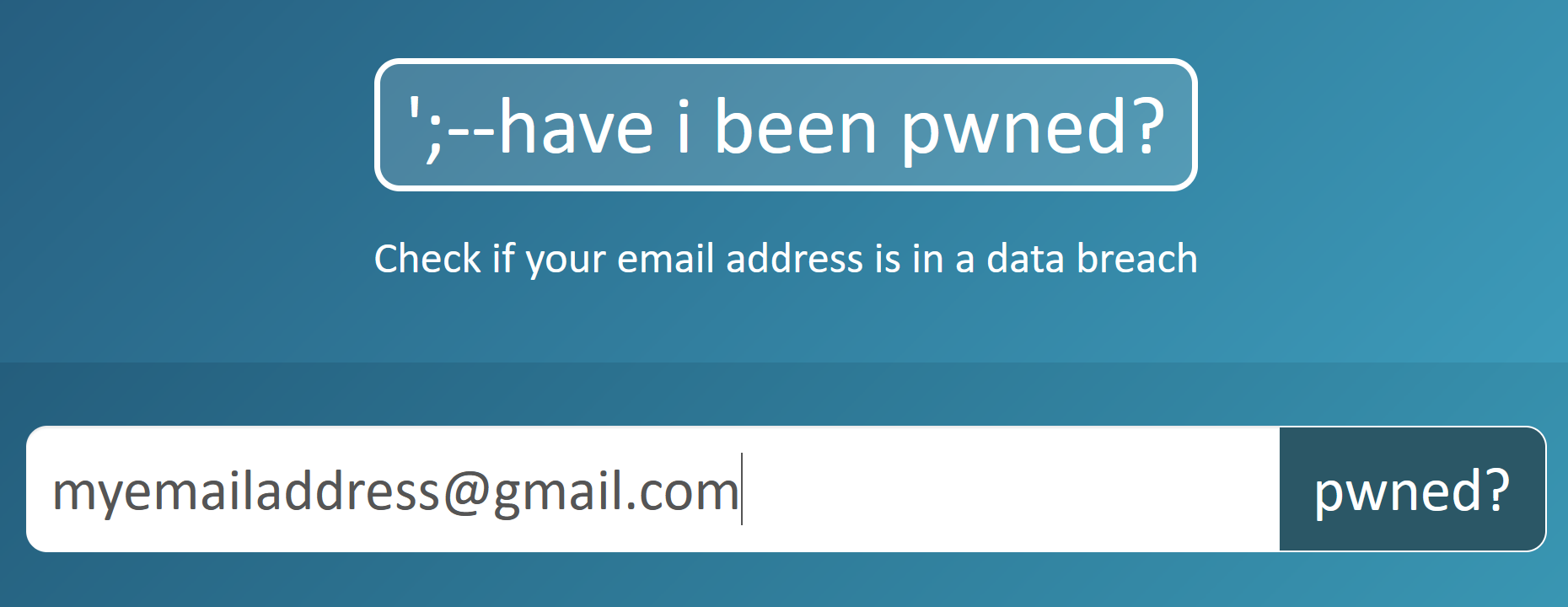
2. Use a Password Checker: There are websites out there that can help you check if your password has been leaked. Have I Been Pwned (haveibeenpwned.com) is a popular one. Just enter your email address, and it'll let you know if it's been involved in any data breaches. But remember, it's only as good as the data it has, so it might not catch every leak.
3. The Password Manager Test: If you use a password manager like LastPass or 1Password, it might have a feature that can check if your passwords have been leaked. These tools can scan your saved passwords against known data breaches and warn you if any match.
Why Should I Care If My Password Was Leaked?
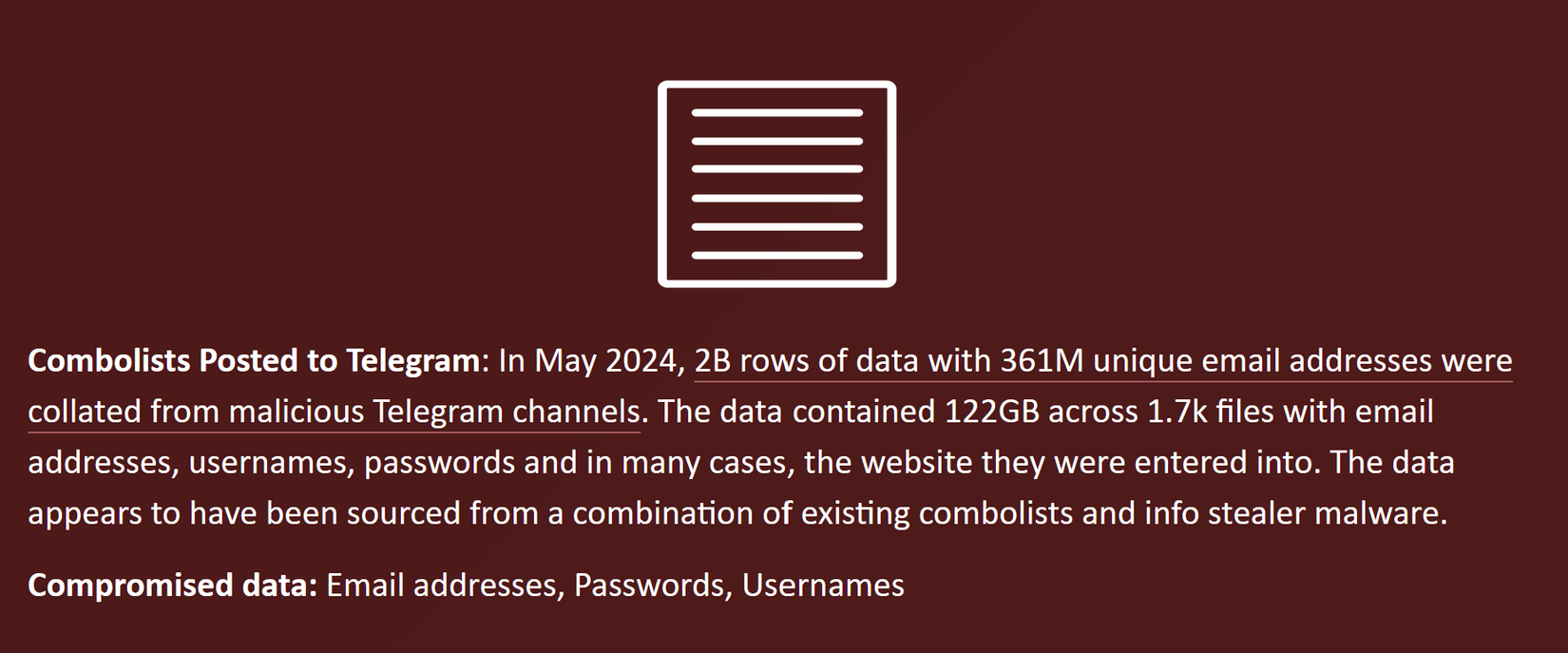
You might be thinking, "Big deal, it's just a password. I'll make a new one." But here's the thing: once a password is out there, it can be used to access more than just the one account it was meant for. That's because people often use the same password for multiple accounts. It's like giving a key to your front door to someone – if they've got it, they could potentially unlock other doors too.
Let's say you use the same password for your email, online banking, and social media accounts. If that password gets leaked, a hacker could gain access to all of them. They could read your private emails, transfer money from your bank account, or post embarrassing things on your social media profiles. Not fun, right?
What Can I Do If My Password Was Leaked?
If you find out that your password has been leaked, don't panic. Here's what you can do:
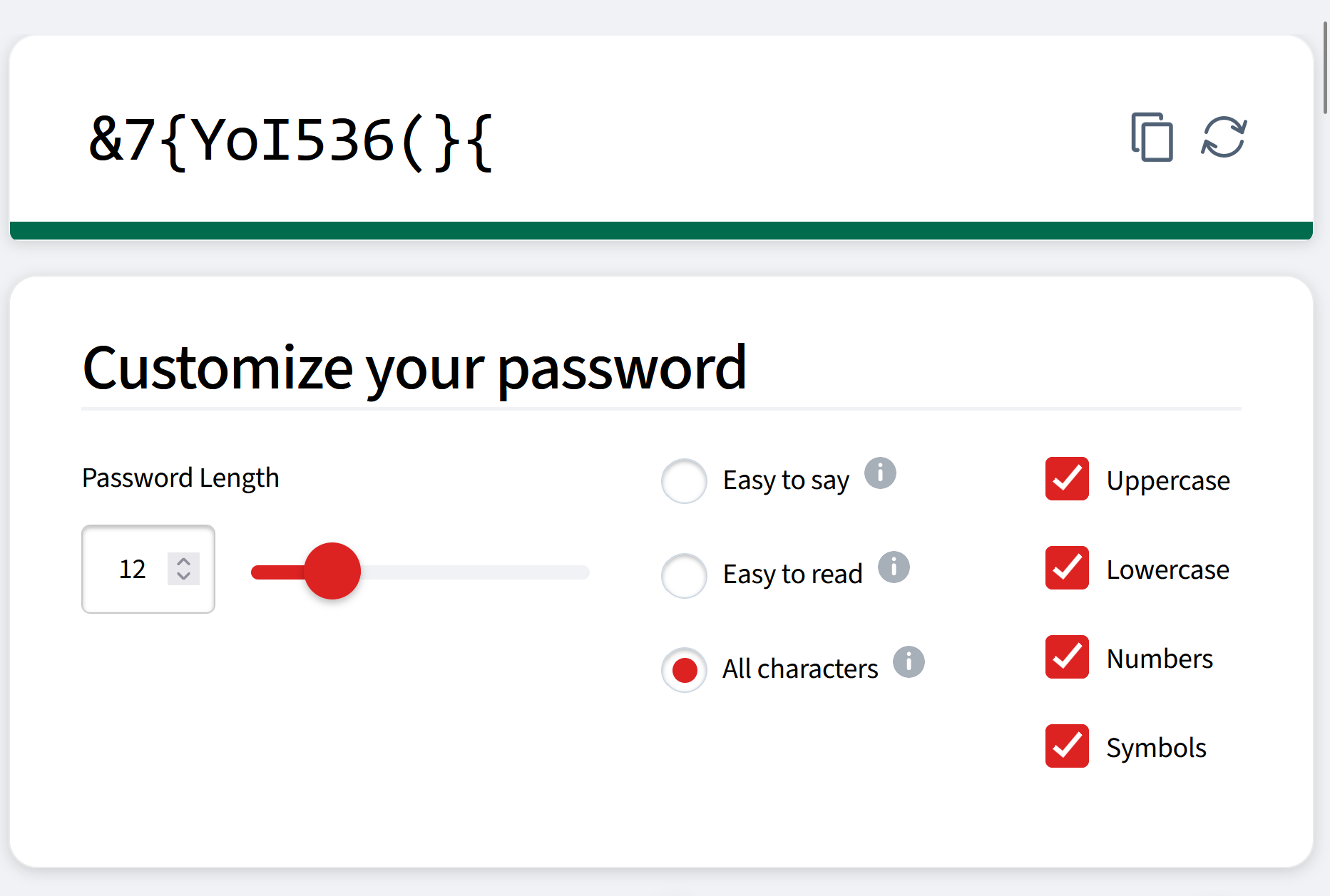
1. Change Your Password: The first thing you should do is change your password immediately. Make it something strong and unique – no '123456' or 'password' allowed!
2. Enable Two-Factor Authentication: Two-factor authentication (2FA) is like having a second lock on your door. Even if someone knows your password, they won't be able to get in without the second form of identification. Many services offer 2FA, so enable it wherever you can.
3. Check Other Accounts: If you used the same password for other accounts, change those too. It's a pain, but it's worth it to keep your information safe.
Preventing Password Leaks in the First Place
While there's no foolproof way to prevent password leaks, there are some things you can do to minimize the risk:
1. Use Strong, Unique Passwords: The stronger and more unique your passwords, the harder they are to crack. Use a mix of uppercase and lowercase letters, numbers, and special characters. And make sure each password is different – no reusing allowed!
2. Use a Password Manager: Password managers generate strong, random passwords for you and store them securely. They can also help you keep track of all those passwords you'll be creating.
3. Be Cautious Online: Don't click on suspicious links or download attachments from unknown senders. These can often be phishing attempts designed to steal your login credentials.
Final Thoughts
Password leaks might seem like a distant threat, but they happen more often than you think. By being proactive and taking steps to protect your passwords, you can keep your online information safe and secure. So go on, check if your password's been leaked, and if it has, give it the boot! Your digital life will thank you.
Stay safe out there, and happy password-changing!